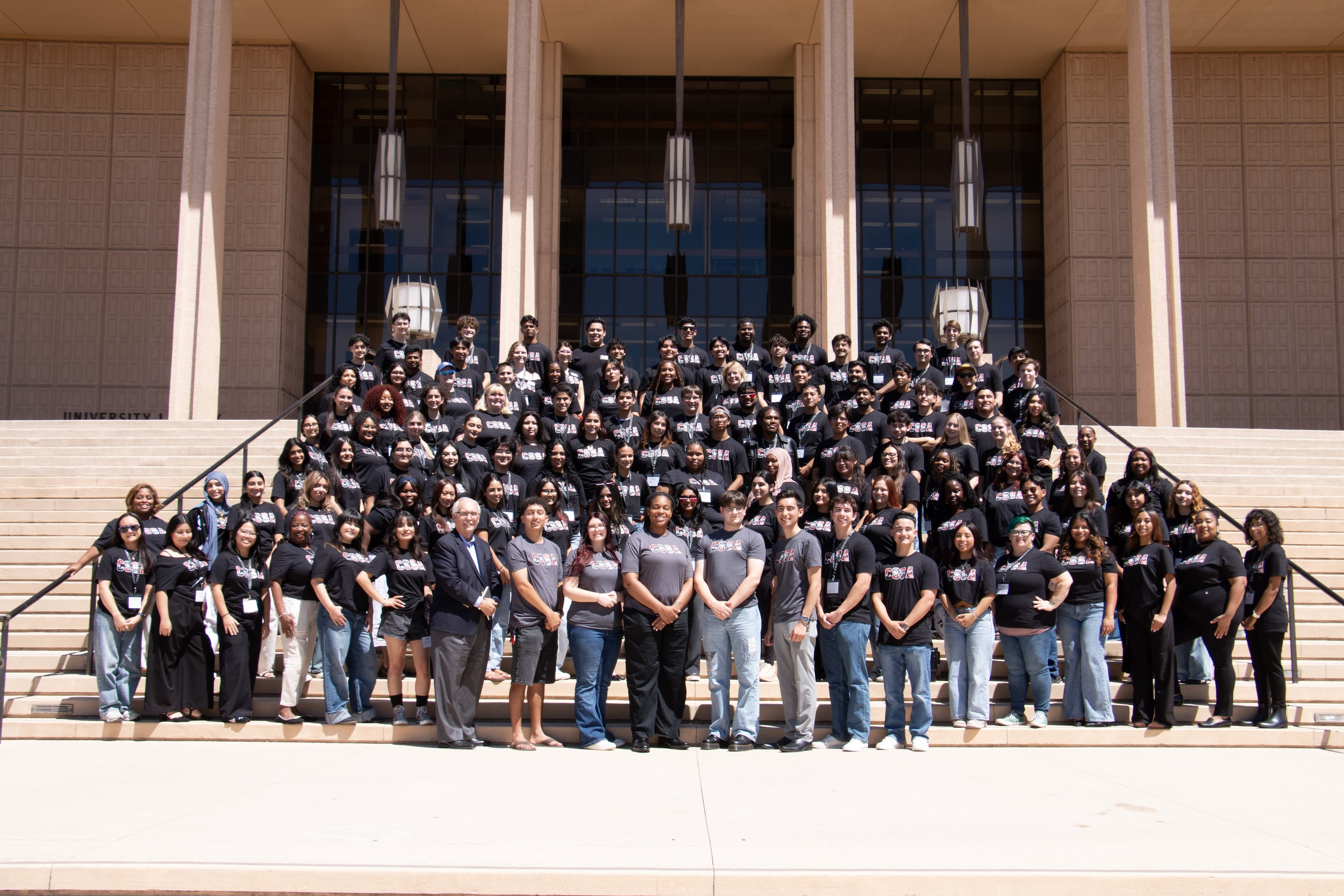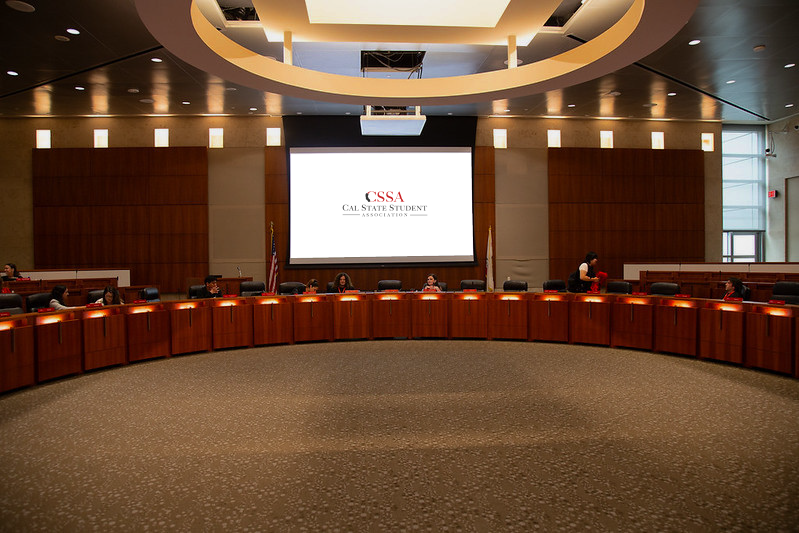
The California State Student Association (CSSA) held a virtual meeting in April, covering a wide range of issues affecting students across the CSU system. Here's a breakdown of what CSSA is and what topics were discussed this past weekend.
CSSA is the governing body representing all undergraduate and graduate students enrolled in the California State University (CSU) system. It serves as a platform for students to advocate for their interests and concerns on a system-wide level. CSSA works closely with the CSU Chancellor's Office and the Board of Trustees to ensure that student voices are heard and considered in decision-making processes.
The AS President and Commissioner of Legislative Affairs attend these meetings to represent California State University, Chico. In the event they cannot, the Commissioner of Student Engagement and Advocacy attends as proxy.
CSSA Plenary | April 2026
On April 11, 2026, the California State Student Association convened virtually for a full day of committee meetings and Board of Directors deliberations. These meetings brought together student leaders from across the CSU system to discuss policy, finances, advocacy, and governance.
While agendas provided the structure for each meeting, the conversations and reports demonstrated how CSSA continues to evolve as a student-led organization focused on addressing real challenges faced by students. From affordability and housing to artificial intelligence and federal advocacy, the April meetings reflect a broad and intentional effort to connect student experiences with systemwide decision-making.
More importantly, these meetings highlight the role of student leadership in shaping policy, holding institutions accountable, and ensuring that student voices remain central in conversations about the future of higher education.
Legislative Affairs Committee
The Legislative Affairs Committee focused heavily on advancing policy that directly impacts students across the CSU system. Central to this discussion were three key bills addressing artificial intelligence in education, delays in financial aid distribution, and housing support for foster youth and students experiencing homelessness.
These topics are especially relevant as students continue to navigate rising costs, evolving technology, and inequities in access to resources. The discussion around artificial intelligence reflects a growing awareness that AI will play a significant role in both academic and professional spaces. Ensuring that students are equipped with the skills and training needed to engage with these tools is becoming a priority.
Financial aid delays remain a major concern, as many students rely on timely aid to secure housing, purchase materials, and remain enrolled. Addressing these delays is not just an administrative issue, but one that directly affects student retention and success.
Housing, particularly for vulnerable student populations, continues to be a critical issue. By supporting policies that expand access and provide targeted resources, CSSA is working to ensure that students have stable living conditions while pursuing their education.
In addition to state legislation, the committee also emphasized federal advocacy efforts. This includes preparing students to engage in civic processes, contribute to policy discussions, and advocate for funding and support at the national level.
Finance Committee
The Finance Committee focused on ensuring the long-term sustainability of CSSA while maintaining transparency and accountability in its financial practices. One of the most significant discussions centered on the potential establishment of a CSSA endowment.
An endowment represents a long-term investment strategy that can provide consistent funding for CSSA initiatives, even in times of financial uncertainty. This shift reflects a forward-thinking approach, recognizing the importance of financial stability in maintaining strong advocacy efforts.
The committee also reviewed the development of the upcoming fiscal year budget. This process includes gathering input from student leaders, evaluating current spending, and aligning financial priorities with student needs. By incorporating feedback and focusing on transparency, CSSA aims to ensure that funds are used effectively and equitably.
Additionally, financial reports provided insight into current spending and operational efficiency. These discussions are essential for building trust among stakeholders and ensuring that CSSA remains accountable to the students it represents.
The introduction of risk management conversations further highlights a commitment to responsible governance. By proactively addressing potential challenges, CSSA is positioning itself to remain resilient and adaptable in the face of changing circumstances.
Systemwide Affairs Committee
The Systemwide Affairs Committee addressed broader issues impacting students across the entire CSU system. One of the most significant discussions focused on concerns related to presidential compensation and how institutional priorities are communicated to students.
These conversations reflect a growing demand for transparency and accountability within higher education leadership. Students are increasingly questioning how resources are allocated and whether those decisions align with student needs and experiences.
Another major focus was the consultation process within the CSU. Ensuring that students are meaningfully included in decision-making processes is critical for shared governance. The committee explored ways to improve these processes so that student voices are not only heard but actively considered in policy decisions.
These discussions highlight CSSA’s role in advocating for equity and fairness across the system. By addressing structural issues and promoting inclusive practices, the organization continues to push for a more student-centered CSU.
Board of Directors
The Board of Directors meeting served as the culminating space where discussions from each committee were brought together and formalized into action. This meeting is where recommendations are reviewed, debated, and ultimately adopted as official CSSA positions.
Key actions included approving updates to governance policies, considering the establishment of an endowment, and adopting positions on key legislative issues. These decisions reflect the collaborative work of multiple committees and demonstrate how ideas move from discussion to implementation.
The Board also engaged in discussions around the Student Representation and Involvement Fee. This fee plays a critical role in funding CSSA’s work and ensuring that students have a voice at the systemwide level. Conversations focused on transparency, participation, and the impact of this fee on student engagement.
Additionally, updates on elections and leadership transitions highlighted the importance of continuity within the organization. As new leaders prepare to step into their roles, CSSA continues to focus on maintaining momentum and building on the work of previous boards.
Reports
The reports section provided a deeper look into the work being done by CSSA leadership beyond formal meetings.
President Tara Al-Rehani emphasized the importance of federal advocacy, particularly as CSSA prepares for Hill Week. This effort involves engaging with federal policymakers to advocate for issues such as affordability, Pell Grant funding, and student support services. The President also highlighted efforts to increase visibility for student-led initiatives and update the Basic Needs Study to reflect current student experiences.
Chair Aaron Villarreal focused on internal governance and policy development. His work includes updating constitutional documents, refining processes, and preparing for upcoming elections. These efforts ensure that CSSA remains organized, effective, and prepared for leadership transitions.
Vice President of Finance Artur Gafurov discussed efforts to improve financial transparency and develop long-term strategies such as the endowment. His work also includes addressing challenges related to student fees and ensuring that financial decisions align with student priorities.
Vice President of Legislative Affairs Nikki Majidi highlighted ongoing advocacy efforts, including the development of legislative toolkits and increasing student engagement in policy discussions. Her work ensures that students are informed and empowered to participate in advocacy.
Vice President of Systemwide Affairs Katie Karroum emphasized work related to artificial intelligence policy, statewide advocacy, and engagement with CSU leadership. Her efforts reflect CSSA’s role in addressing emerging issues and shaping future policy directions.
Student Trustees Carson Fajardo and Jazmin Guajardo provided valuable insight into Board of Trustees discussions. Their reports highlighted financial considerations, systemwide initiatives, and federal advocacy efforts, offering a broader perspective on how decisions at the highest level impact students.
Looking Ahead
As the academic year comes to a close, the April meetings highlight both progress and preparation. CSSA continues to address immediate student concerns while also planning for long-term impact.
With upcoming elections, continued advocacy efforts, and ongoing systemwide initiatives, student leaders are actively shaping the future of the CSU system. The work being done today will influence policies, resources, and opportunities for students in the years to come.
Ultimately, these meetings demonstrate the power of student leadership. Through collaboration, advocacy, and strategic planning, CSSA continues to ensure that student voices are not only heard but are central to the future of higher education.
The next plenary meeting will be held April 26th, 2026 virtually. Plenary meetings are open to the public in accordance with Gloria Romero Open Meetings Act of 2000. Meetings take place monthly (with the exception December and June). The agenda for regularly scheduled meetings are posted no later than three (3) days prior to the meeting date. For more information or to voice your concerns, please reach out to your elected student representatives.
Gia Monticello is the current Commissioner of Legislative Affairs for the Associated Students. Originally from the East Bay Area, this is her first term serving in the AS Government. She is a First-Generation student majoring in Liberal Studies with a minor in Special Education. As Commissioner, Gia is committed to educating students about state and CSU systemwide legislation that impacts their college experience. To reach out to Gia, email her at as-legaffairs@csuchico.edu.