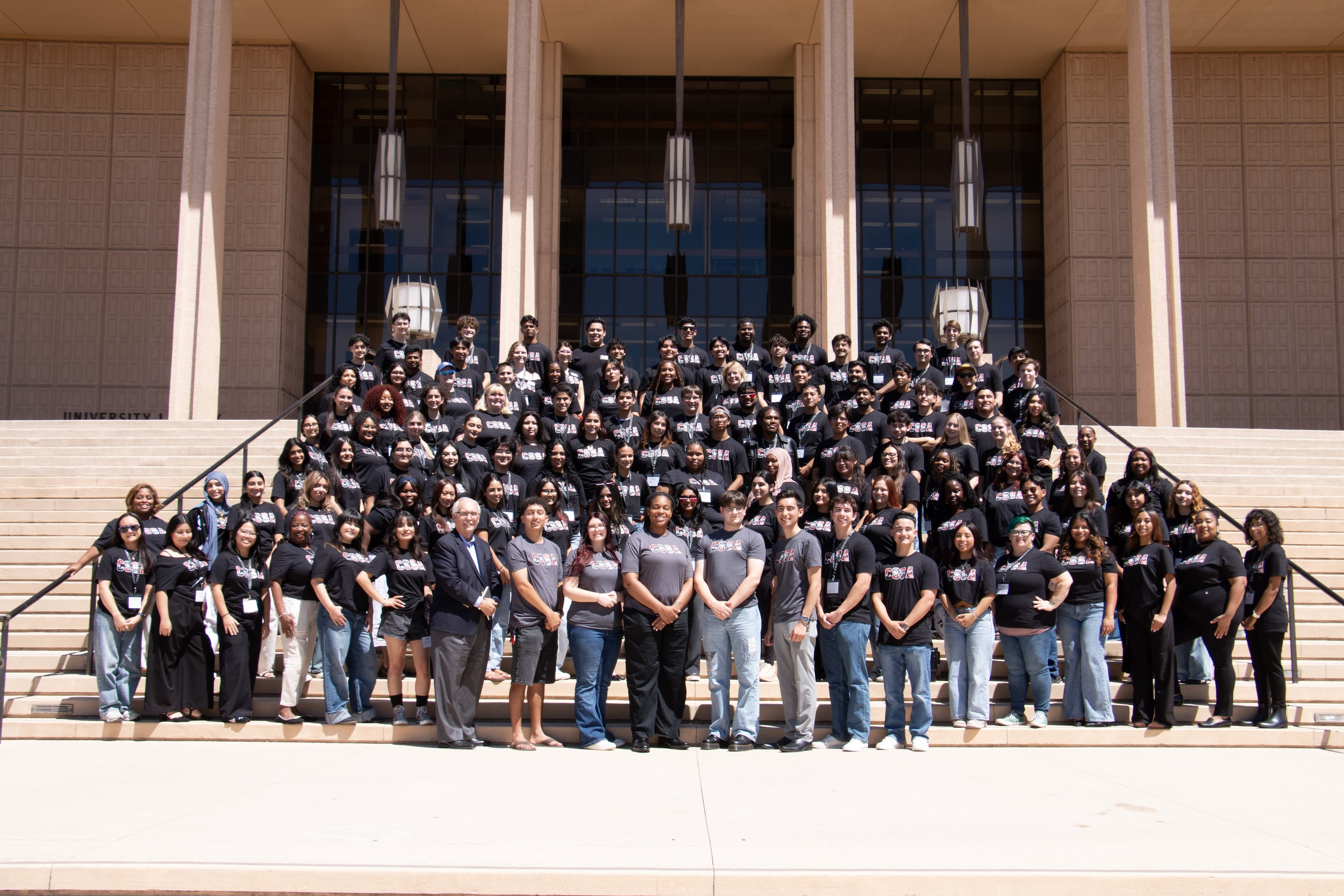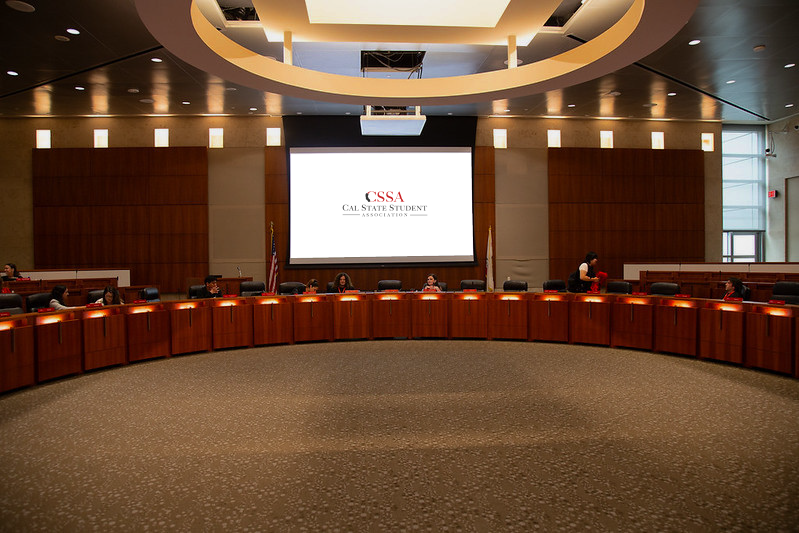
The California State Student Association (CSSA) held an in person meeting in March, covering a wide range of issues affecting students across the CSU system. Here's a breakdown of what CSSA is and what topics were discussed this past weekend.
CSSA is the governing body representing all undergraduate and graduate students enrolled in the California State University (CSU) system. It serves as a platform for students to advocate for their interests and concerns on a system-wide level. CSSA works closely with the CSU Chancellor's Office and the Board of Trustees to ensure that student voices are heard and considered in decision-making processes.
The AS President and Commissioner of Legislative Affairs attend these meetings to represent California State University, Chico. In the event they cannot, the Commissioner of Student Engagement and Advocacy attends as proxy.
CSSA Plenary | March 2026
On March 21, 2026, student leaders from across the California State University system gathered at Sacramento State University for a full day of governance, advocacy, and decision making. The meetings included the Systemwide Affairs Committee, Legislative Affairs Committee, and the Board of Directors, alongside detailed executive and trustee reports. Each component addressed different aspects of student life and policy, but together they reflect the ongoing efforts to advocate for equity, accessibility, and student success across all CSU campuses.
Systemwide Affairs Committee: Equity, Funding, and Institutional Accountability
The Systemwide Affairs Committee focused heavily on large scale issues impacting students across the CSU system. A central topic of discussion was the impact of federal funding cuts to Hispanic Serving Institutions and Minority Serving Institutions. These designations are critical for many CSU campuses, as they provide funding that supports programs for historically underserved students.
The agenda highlights “cuts to their CSU campuses as a result of the Federal Government’s cuts to Hispanic Serving Institution & Minority Serving Institution Grants.” This discussion emphasized concerns about how these reductions could weaken student support services, limit access to academic resources, and ultimately impact student retention and success.
Another major discussion item centered on executive compensation within the CSU system. A resolution opposing recent salary increases for CSU presidents was introduced, reflecting student concerns about rising costs and institutional priorities. The agenda identifies this as “a resolution opposing the recent increase in compensation for CSU presidents.” This conversation highlighted the ongoing tension between administrative decision making and student affordability.
The committee also reviewed a resolution on reforms to the CSU alternative consultation process. This process determines how students are consulted on tuition and fee changes. Proposed reforms aim to improve transparency and ensure that student voices are more meaningfully included in decisions that directly impact them.
Legislative Affairs Committee: Advancing Policy for Student Success
The Legislative Affairs Committee focused on state level advocacy and policy development. This committee plays a key role in ensuring that student voices are represented in California’s legislative process.
Two major bills were presented as action items during the meeting. The first, SB 1006, focuses on increasing Cal Grant B access awards. These funds are essential for low income students, helping cover basic living expenses such as housing, food, and transportation. Expanding this support would significantly improve college affordability and student retention.
The second bill, AB 2236, addresses articulation agreements between community colleges and four year institutions. This legislation aims to streamline the transfer process, making it easier for students to transition into CSU campuses without losing credits or time.
Both items were introduced with the intention that “the committee will consider the recommendation of a support position.” This reflects the committee’s role in taking formal stances on legislation and advocating for policies that align with student needs.
Board of Directors: Governance, Recognition, and Systemwide Leadership
The Board of Directors meeting served as the central decision making body, bringing together the work of various committees and advancing systemwide initiatives. The agenda included both policy related action items and opportunities to recognize leadership across the CSU system.
One key component of the Board’s responsibilities was reviewing and taking action on the same legislative items discussed in the Legislative Affairs Committee, including SB 1006 and AB 2236. This demonstrates how committee level discussions translate into broader organizational decisions.
In addition to legislative action, the Board also focused on recognizing excellence within the CSU community. Several awards were discussed, including President of the Year, Administrator of the Year, Faculty Excellence of the Year, and Trustee of the Year. These awards highlight the importance of leadership that supports student success and institutional progress.
The Board also included liaison reports from key CSU stakeholders, such as the Academic Senate, the Chancellor’s Office, and the Board of Trustees. These reports help bridge communication between different levels of governance and ensure that student leaders remain informed about systemwide developments.
Another important discussion item involved CSSA’s participation in the United States Student Association Interim Governing Council. This reflects an effort to expand student advocacy beyond the CSU system and engage in national conversations about higher education policy.
Student Trustee Reports: Systemwide Insights and Advocacy
Student trustee reports provided important updates from the CSU Board of Trustees and offered insight into systemwide decision making. These reports highlighted key discussions related to financial planning, student wellness, and institutional priorities.
One major highlight included the approval of a systemwide lottery funded budget that supports a range of student focused programs such as financial aid, academic resources, and technology initiatives. Trustee advocacy also emphasized the importance of responsible investments, including thoughtful consideration of emerging areas like artificial intelligence.
A significant portion of the report focused on student wellness and basic needs. It was emphasized that mental health plays a critical role in student success and that access to services must extend beyond traditional hours to meet the needs of students with demanding schedules or limited resources. The importance of expanding after hours care and ensuring equitable access to services across campuses was strongly highlighted.
Additionally, trustee engagement across multiple committees demonstrated the role of student representation in conversations related to finance, academic policy, and institutional advancement.
Executive Officer Reports: Individual Leadership Updates
The executive officer reports provided insight into the specific work and priorities of each student leader within CSSA, highlighting the diverse responsibilities and initiatives being carried out across roles.
The CSSA President reported on ongoing efforts to center student voices in decision making spaces, including engagement with CSU leadership and participation in advocacy efforts at both the state and federal levels. This included involvement in conversations around financial aid protections and systemwide initiatives impacting students.
The Vice President of Systemwide Affairs focused on facilitating discussions around emerging issues affecting the CSU system. This included work related to artificial intelligence and its implications for higher education, as well as efforts to collaborate with stakeholders across campuses to better understand and address systemwide challenges.
The Vice President of Legislative Affairs highlighted continued advocacy work related to state and federal policy. This included efforts to engage with legislators, support key bills, and collaborate on initiatives aimed at protecting financial aid resources such as Pell Grants.
The Vice President of Finance reported on efforts to improve financial transparency within CSSA. This included organizing financial documents, ensuring accessibility of budget information, and exploring strategies to support long term financial sustainability while prioritizing student centered investments.
The Vice President of University Affairs focused on strengthening connections between CSSA and individual campuses. This included engaging with student leaders, gathering feedback on campus specific issues, and working to ensure that a wide range of student experiences are represented in systemwide discussions.
The Vice President of Academic Affairs reported on initiatives related to academic policy and student success. This included engagement with faculty and academic leadership, as well as participation in conversations around curriculum, academic standards, and educational equity.
The Vice President of External Affairs emphasized outreach and communication efforts, including building relationships with external partners and increasing awareness of CSSA initiatives. This role plays a key part in ensuring that student advocacy extends beyond internal CSU spaces.
The Chief of Staff reported on internal operations and organizational effectiveness. This included coordinating meetings, supporting executive initiatives, and ensuring that CSSA functions efficiently as a governing body.
Together, these individual reports demonstrate the breadth of work being done by CSSA leadership. Each role contributes to a larger mission of advocating for students, improving policies, and strengthening the CSU system.
The next plenary meeting will be held April 11th, 2026 virtually. Plenary meetings are open to the public in accordance with Gloria Romero Open Meetings Act of 2000. Meetings take place monthly (with the exception December and June). The agenda for regularly scheduled meetings are posted no later than three (3) days prior to the meeting date. For more information or to voice your concerns, please reach out to your elected student representatives.
Gia Monticello is the current Commissioner of Legislative Affairs for the Associated Students. Originally from the East Bay Area, this is her first term serving in the AS Government. She is a First-Generation student majoring in Liberal Studies with a minor in Special Education. As Commissioner, Gia is committed to educating students about state and CSU systemwide legislation that impacts their college experience. To reach out to Gia, email her at as-legaffairs@csuchico.edu.